1. Rights for Rivers
Develop a proposal for provincial legislation and municipal declarations to advance its political and legal recognition.
What does it mean to free a river?
To heal the ecological damage, regenerate webs of life and to rebuild the cultures that make us part of our basins
What does freeing a river mean?
The memory of the web of life it sustains is in constant motion across the territory. Recognizing its rights raises a question: how does this change the way we live alongside it?
This research and action project is developed within the More Than Human Rights Fellowship of the MOTH program at New York University (NYU). It brings together legal tools, local policies, cultural practices and storytelling to learn how to work with rivers.
Reciprocity runs through this exploration: asking what the river needs from us, what damage we can repair and what relationships we want to build. The manual and other materials grow from this shared question.
One purpose, six possible dimensions
An editorial and educational resource for communities, organizations and people seeking to transform their relationship with rivers.
Designed as a printable booklet, it brings together questions, concepts and paths for action. A publication to read, discuss, put into practice and take into the territory.
The booklet will be a gateway to the materials presented here: Rights of Rivers, cultures, proposals for municipalities, storytelling and TerritoRío.
A legal agenda to support the defense of water and open possibilities for repair and restoration of our basins.
Develop a proposal for provincial legislation and municipal declarations to advance its political and legal recognition.
Address damage, regenerate biocultural corridors and promote wetland restoration as parts of a shared effort.
Address the barriers separating communities from their riverbanks and explore strategies to restore their connection with water.
Advance a legislative proposal connecting ecological continuity, cultural practices and ways of inhabiting the territory.
The river and bodies of water structure cultural ecosystems
Tools for schools, museums, cultural centers and communities seeking to learn, create and gather with the river. Listening to its stories, recognizing the watershed and making room for the lives within it are starting points for cultures of reciprocity with water.
A directory connecting artists, artworks and practices relating to water. It will bring together their territories, approaches and ways to collaborate, helping exhibitions and cultural activities grow from encounters with the watershed.
A collection of maps, readings, audiovisual materials and teaching experiences, organized by watershed, topic and educational level. An introduction to scientific and community knowledge about the rivers running through our lives.
Activities to recognize the watershed we belong to: tracing water journeys, listening to local memories and exploring nearby biodiversity. Bringing together art, science and place, they lead to a shared question: what does the river need from our community?
A facilitation method for opening conversations beside the water, to be shared with facilitators. It invites local voices, recognizes memories and conflicts, imagines desirable futures and helps the group agree on questions or actions to continue.
A proposal to accompany the screening with an Assembly for the Future of the River. Prepare an accessible venue, arrange screening conditions and invite local voices. After the film, share memories, imagine desirable futures and record the questions and actions the group wants to pursue.
Listening walks, writing workshops, collective mapping, music gatherings and oral archives. Choose a question, agree on how to care for the place and invite those who live there. Each activity can leave a shared memory and a concrete gesture of reciprocity with water.
A concise guide for turning the river’s rights and well-being —and that of the web of life it sustains— into concrete municipal decisions.
A 4–5 page policy paper focused on local action: connecting the recognition of rights with decisions on access, wetlands and biocultural corridors.
Ordinances, budgets, public works and civic participation can all be understood from the watershed: recognize the river, open its banks and care for wetlands and biocultural corridors.
Bring the river agenda into local declarations, ordinances, budgets and plans, working with mayors, municipal councils and local organizations to advance political and legal recognition.
Bodies of water are defended by communities that feel part of them. Restoring the public towpath and access to riverbanks makes it possible to reconnect with the river, understand it and care for it.
Document and share municipal reserves as success stories: experiences that protect wetlands and biocultural corridors, sustain biodiversity and strengthen community ties with water.
This collection will bring together essays on river memories, identities rooted in watersheds and futures we can imagine with water. An invitation to artists, communicators and storytellers to write from their territories and open new possibilities for action.
Themes of the collection
Stories, knowledge and experiences that reveal the shared history of water and its communities.
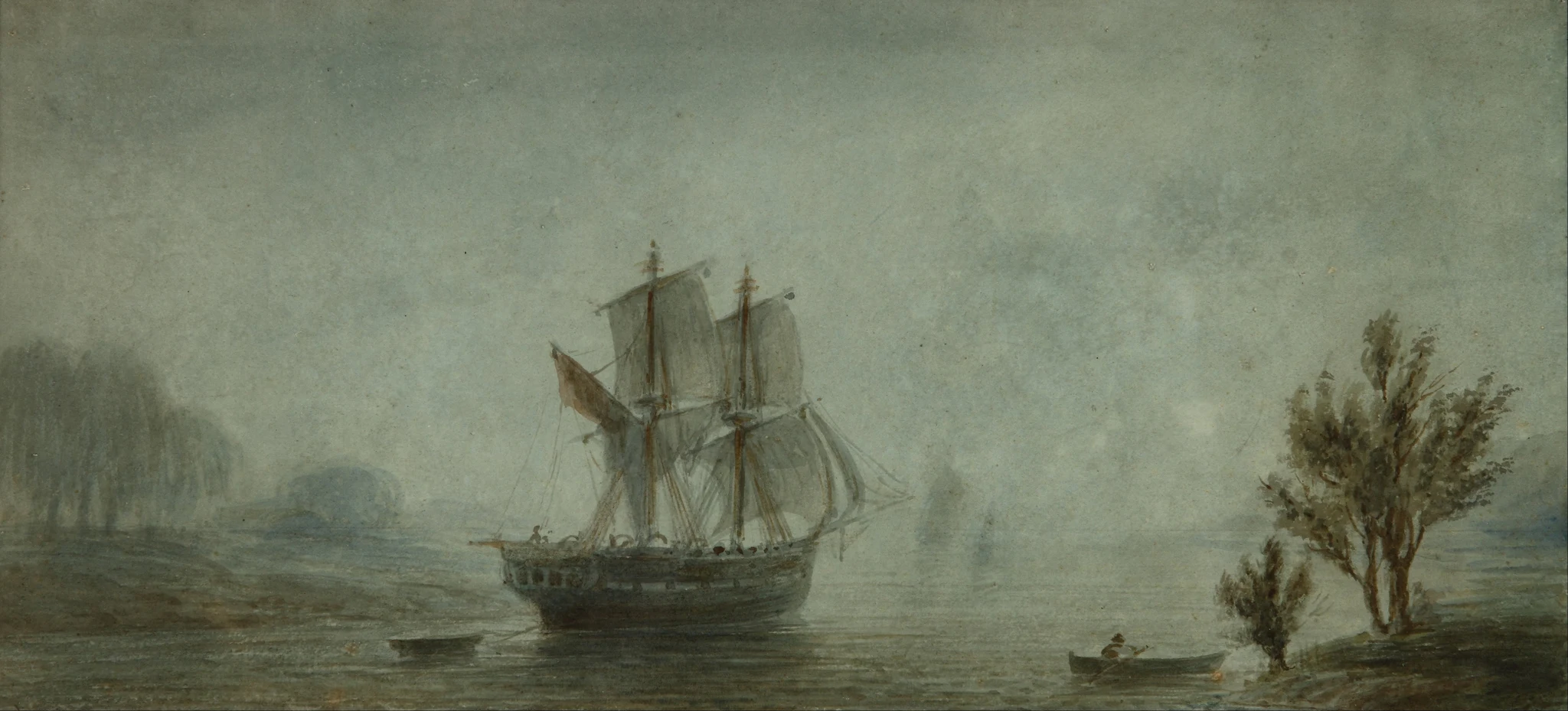
Languages, trades, affections and a sense of belonging that grow from living near water and recognizing ourselves as part of a watershed.
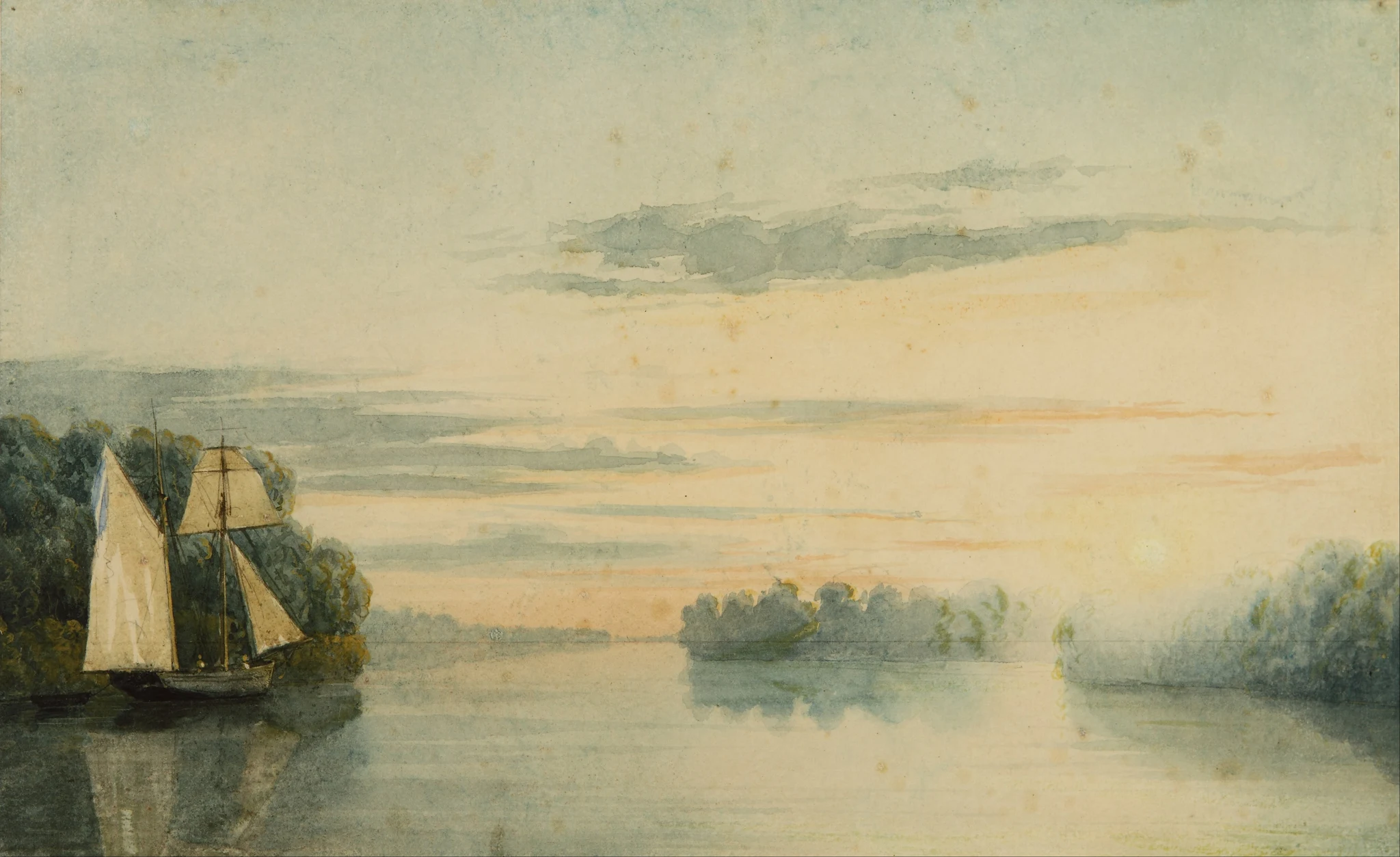
Essays exploring desirable futures with our bodies of water and the decisions today that can make room for them.
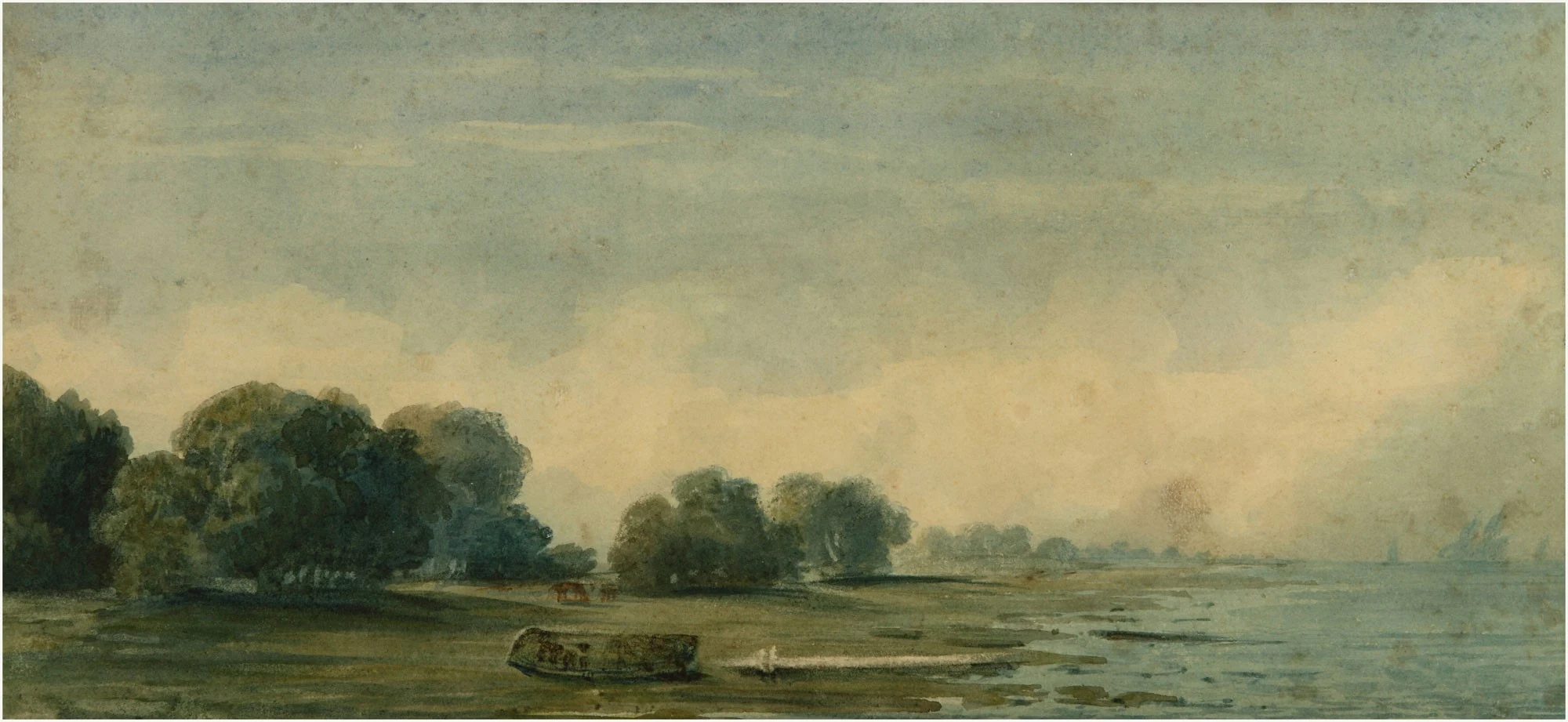
Rivers flow with(in) us
Strategies to make our watersheds visible within our lives. Ways to recognize the entanglement between place, identity and ecosystems.
Territorial strategies
Walk the riverbanks, listen to their memories and recognize the waterways that form our watershed. Journey with those who inhabit it to learn about and care for it.
Work with municipal and provincial reserves and national parks to connect knowledge, journeys and care across the watershed.
A proposal inspired by Baldosas por la Memoria: mark where watersheds are, their names and their waterways in public spaces, making the water beneath our feet visible.